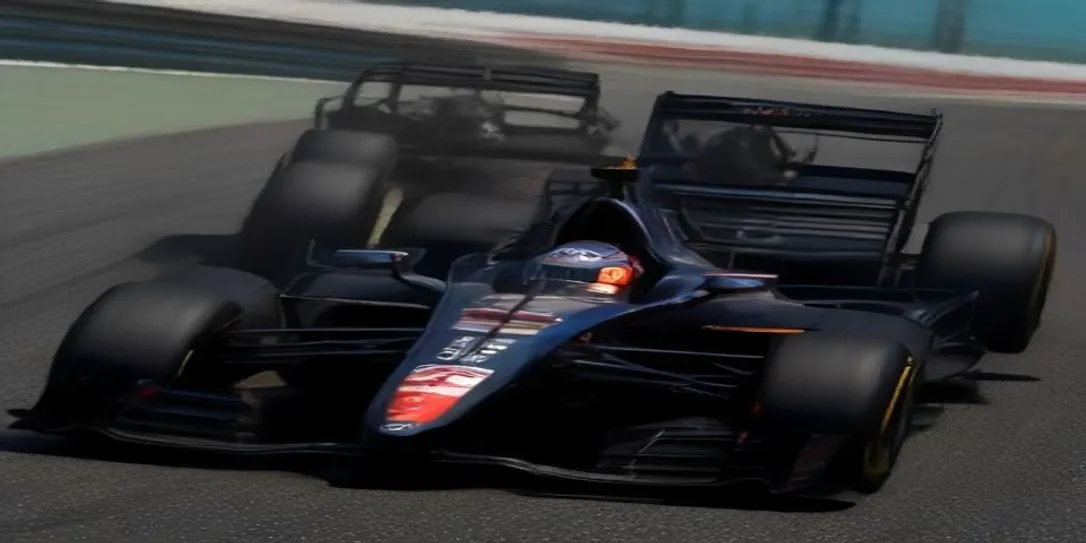
The Mechanics of Parity: Deciphering the Modern IndyCar Architecture
The NTT IndyCar Series represents a premier tier of North American open-wheel racing, distinguished by its rigorous emphasis on technical parity, high-speed oval performance, and complex road course engineering. Unlike series dominated by variable constructor budgets, IndyCar utilizes a standardized chassis framework—the Dallara DW12—which standardizes aerodynamic baselines across all competing teams. This structural framework forces teams to seek performance advantages through micro-adjustments in mechanical setup, damper telemetry, differential tuning, and driver execution rather than unrestricted manufacturing expenditures.
Aerodynamic Engineering and Safety Telemetry
Aerodynamic performance in IndyCar is dictated by specialized aero kits optimized for distinct circuit topologies. Engineers must balance downforce generation against parasitic aerodynamic drag, depending on whether the vehicle is competing on a short oval, a superspeedway, or a multi-turn road course. The integration of the Aeroscreen—a ballistic canopy safety system engineered in collaboration with Red Bull Advanced Technologies—marked a transformative shift in cockpit safety telemetry, dramatically reducing driver vulnerability to high-velocity debris without compromising line-of-sight visibility.
Key Technical Metrics of IndyCar Machinery
- Engine Displacement: 2.2-liter direct-injected twin-turbocharged V6 (Chevrolet & Honda).
- Top Speeds: Exceeding 235 mph (378 km/h) on superspeedway layouts.
- Peak Horsepower: Approximately 750–800 hp (supplemented by hybrid system output).
- Fuel Efficiency Standard: 100% renewable E85 ethanol formulation.
- Minimum Vehicle Weight: ~1,700 lbs (road course spec, excluding driver and fuel).
Powertrain Dynamics: Twin-Turbo V6 and Hybrid Energy Recovery
The core propulsion of an IndyCar relies on twin-turbocharged V6 power units manufactured by either Chevrolet or Honda. Operating at maximum rotational speeds of 12,000 RPM, these engines generate immense thermal efficiency while running on 100% sustainable E85 ethanol fuel. Recent engineering upgrades introduced a standardized hybrid Energy Recovery System (ERS). This technology stores kinetic energy during braking cycles into a supercapacitor storage unit, allowing drivers to deploy immediate electrical horsepower boosts via a steering-wheel-mounted manual activator, augmenting traditional Push-to-Pass functionality on non-oval circuits.
Strategic Data Analytics: Oval, Road, and Street Configurations
Analyzing race data across IndyCar's multi-discipline calendar requires deep statistical modeling. Strategy engineers evaluate real-time telemetry to calculate tire degradation curves on Firestone Firehawk compounds, fuel burn rates per stint, and pit-lane time loss metrics. On superspeedways like the iconic Indianapolis Motor Speedway, drafting physics, ambient air density, and track surface temperatures dictate vehicle pitch and ride height adjustments. Conversely, urban street circuits demand softer suspension dampening and high-downforce wing angles to mitigate track surface irregularities and low-speed understeer.
"IndyCar represents the absolute intersection of empirical engineering and driver instinct. When the hardware is standardized, data precision becomes the ultimate competitive differentiator."
Economic Trajectory and Global Market Position
From an economic perspective, IndyCar presents an attractive return on investment (ROI) for global sponsors and Original Equipment Manufacturers (OEMs). By keeping operating costs significantly lower than Formula 1, the series maintains a resilient team ecosystem while delivering highly competitive racing products. Broadcast viewership metrics and digital fan engagement continue to demonstrate sustained growth, driven by international driver rosters, intense wheel-to-wheel competition, and the historic prestige of the Indianapolis 500—widely regarded as one of the most technologically demanding single-day sporting events in global motorsport.
Sıkça Sorulan Sorular
On high-speed ovals like the Indianapolis Motor Speedway, IndyCars achieve top speeds exceeding 235 mph (378 km/h), utilizing optimized low-drag aerodynamic configurations.
The NTT IndyCar Series utilizes 2.2-liter twin-turbocharged V6 engines produced by Chevrolet and Honda, paired with a standardized hybrid Energy Recovery System (ERS).
IndyCar relies on a standardized spec chassis (Dallara DW12) to maintain technical parity and cost control, whereas Formula 1 mandates custom constructor chassis development.