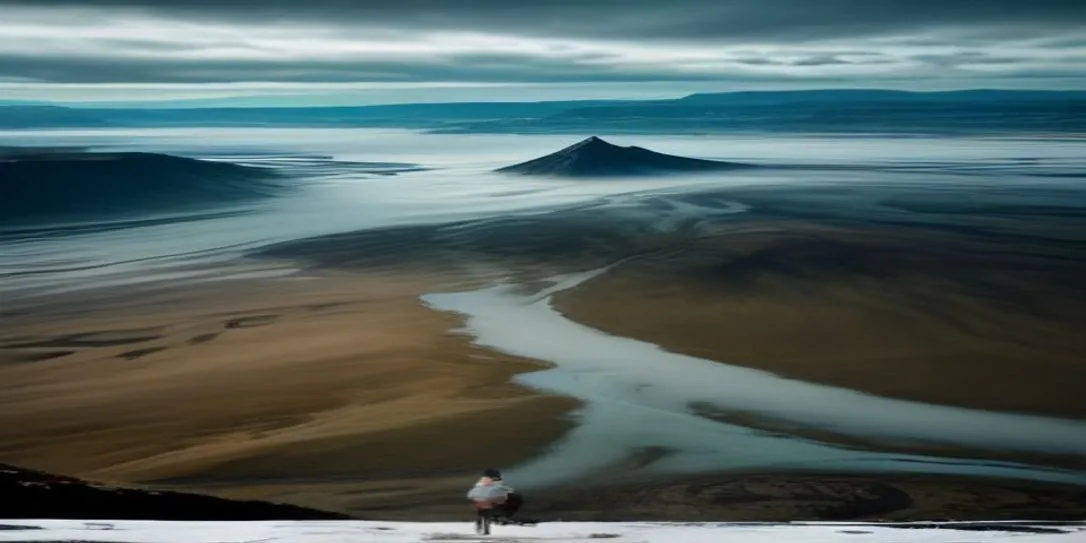
The Volcanic Reality: Living on a Tectonic Powder Keg
Positioned directly atop the Mid-Atlantic Ridge where the North American and Eurasian tectonic plates endlessly pull apart, Iceland is not merely a peaceful island nation—it is an active geological laboratory. Recent rift eruptions along the Reykjanes Peninsula near Grindavík have underscored a stark reality: Iceland is alive with volatile sub-surface energy. Beneath the pristine ice caps and moss-covered lava fields lies a system of over 30 active volcanic zones capable of altering international air space and local geography overnight.
"Living in Iceland means accepting a truce with nature. We do not control the land; we simply adapt to its movements." — Local Icelandic Geologist
İlgili İçerik OpenAI, Google, and 100 Giants Unveil Plan vs. Rogue AI
Investigating the island’s tectonic dynamics reveals that these seismic events are not rare anomalies, but part of a multi-century volcanic cycle. While images of glowing lava fissures capture global headlines, local civil defense units operate with surgical precision. Infrastructure is fortified with massive earthen dikes designed to divert molten rock away from key installations like the Svartsengi Power Station and the iconic Blue Lagoon. Icelanders do not merely endure this threat—they have engineered an unprecedented model of urban resilience around it.
Geothermal Power and Green Tech: Iceland's Energy Miracle
Beyond the immediate hazards of magma flows lies Iceland’s greatest economic asset: heat. Through decades of relentless innovation, the nation transformed its geographical vulnerability into an ecological superpower. Today, virtually 100% of Iceland’s electricity and space heating comes from renewable resources, establishing a benchmark for green transition across the globe.
A closer look at Iceland’s clean energy ecosystem reveals two foundational pillars:
- Geothermal Energy: Deep boreholes tap into high-pressure underground steam reservoirs to drive turbines, supplying roughly 27% of the nation's total electricity and directly heating 90% of Icelandic households.
- Hydroelectric Power: Glacial rivers fed by massive ice caps like Vatnajökull produce approximately 73% of the country's electricity, fueling heavy industry and modern technological infrastructures.
- Direct Air Capture (DAC): Cutting-edge facilities like Climeworks' Orca plant in Hellisheiði actively extract carbon dioxide from ambient air, permanently mineralizing it in underground basalt formations.
This abundance of green energy has attracted data centers, carbon capture pioneers, and high-tech aquaculture ventures seeking zero-carbon footprints. Iceland demonstrates how energy independence can be forged directly out of extreme nature.
The Tourism Paradox: Balancing Economic Growth and Ecological Strain
In the aftermath of the 2008 global financial crash, Iceland launched a targeted strategy to rebuild its economy through foreign travel. The campaign succeeded beyond expectation. Pre-pandemic visitor numbers eclipsed the domestic population by more than six to one, turning international travel into the country's main export engine. However, our investigation shows that this surge brings severe environmental challenges.
High-density travel along the famous Golden Circle, the South Coast waterfalls, and the black-sand beaches of Vík has led to trail erosion, habitat destruction, and skyrocketing housing prices in capital city Reykjavik. Delicate subarctic vegetation takes decades to recover once trampled by foot traffic. In response, the Icelandic government is recalibrating its approach—introducing tourist taxes, upgrading infrastructure, and encouraging visitors to venture into remote areas like the Westfjords and North Iceland.
Economic Resilience: Lessons from the Edge of the World
Iceland's journey from a rural fishing society to a high-income, modern welfare state offers critical geopolitical lessons. Following the collapse of its private banking sector in 2008, Iceland chose a radical path: allowing banks to fail, protecting domestic deposits, and creating social safety nets. Paired with strict capital controls and the rapid growth of eco-tourism, the nation mounted a remarkable economic recovery.
Key Takeaways on Iceland's Blueprint
- Geological Adaptability: Infrastructure built directly alongside volcanic hazard mitigation structures.
- Complete Decarbonization: A practical, closed-loop model for total renewable electricity and municipal heating.
- Regulated Tourism: Active management strategies to protect fragile landscapes from ecological overload.
Conclusion: A High-Stakes Balancing Act
Iceland remains one of the world's most compelling case studies in human endurance and sustainable engineering. As climate change alters glacial patterns and subterranean magmatic chambers shift, the nation faces double-sided pressures from nature and global tourism. How Iceland navigates these challenges will serve as an essential blueprint for nations grappling with environmental volatility and sustainable development on a warming planet.
Sıkça Sorulan Sorular
Yes, Iceland remains safe for travelers. Volcanic activity is closely monitored by the Icelandic Meteorological Office, and eruptions are usually localized to specific zones like the Reykjanes Peninsula without disrupting the broader island.
The ideal period for viewing the Aurora Borealis is between late September and April, when dark night skies provide optimal conditions for solar interaction visibility.
Iceland leverages its unique geological landscape, producing roughly 73% of its electricity from hydroelectric power and 27% from geothermal plants, making its grid virtually carbon-neutral.
To avoid overtourism, travel during shoulder seasons (May or September), explore lesser-traveled regions such as the Westfjords or East Iceland, and visit popular spots along the Ring Road during early morning hours.